






Optical Transceiver
Understanding Optical Transceiver Operating Temperature: Everything You Should Know

Jul
Operating temperature is a critical parameter that needs to be considered while designing, buying, and deploying optical transceivers. This article will explore the transceiver operating temperature effects, how to choose the correct temperature transceiver, and some tips to manage transceiver temperature.
Table of Contents
- How does operating temperature affect optical transceivers?
- Types of Transceiver Operating Temperatures
- How to pick an optical transceiver’s ideal operating temperature?
- Conclusion
How does operating temperature affect optical transceivers?
Assume the optical transceiver’s operating temperature is too high or too low. In that circumstance, the optical power will usually diminish, the sensitivity will drop, and the eye diagram will deteriorate. In extreme cases, it will cause communication data errors. Because the temperature of the optical transceiver is outside of the typical range, a switch alarm will sound, informing the user that the optical transceiver is in poor condition, and the switch will stop sending data.
Before sending/receiving data again, the Ethernet switch will suspend transferring data until the transceiver returns to normal operating circumstances. Furthermore, it will accelerate the aging of internal electronics, lower the life of the optical transceiver, and burn out the optical transceiver in extreme situations.
Therefore, it is vital to choose the optical transceiver with the corresponding temperature level in different application environments to avoid the failure of the optical transceiver.
3 Types of Transceiver Operating Temperatures
We classify the operating temperature of transceivers into three categories.
- Commercial Temperature (0-70℃): commercial optical transceiver usually used in data centers and enterprise rooms. Because data centers and server rooms have air conditioners installed inside to maintain the room temperature, it is the most common type. Commercial grade optical transceivers have the best price/performance ratio and the most vendors to choose from, and it is suitable for common use scenarios.
- Extended Temperature (-10-85°C): If used in outdoor nodes in tropical regions, you could consider extended temperature transceivers. This type of optical transceiver between industrial and commercial grade is not very common in practice.
- Industrial Temperature (-40-85℃): Used in outdoor, remote mountainous areas, tunnels, and other environments with significant temperature changes, industrial-grade optical transceivers have built-in temperature compensation software, which is used to ensure that the optical transceiver has a stable operating current supply. When the temperature changes, the temperature compensation software will take effect. Because of the demanding requirements for raw materials such as optical components and more complex testing procedures, industrial-grade optical transceivers are costly. In practice, industrial-grade transceivers are only used in extreme applications.
Take the Optcore 10G SFP+ SR and 10G SFP+ LR as example. The 10G SFP+ SR list pricing for commercial temperature is $13.0, while the industrial temperature is $19.0. The 10G SFP+ LR list pricing for commercial temperature is $18.0, while the industrial temperature is $21.0.
-
 Generic SFP-10G-SR Compatible 10GBASE-SR SFP+ 850nm 300m TransceiverUS$ 7.80 (Excl. VAT)
 -
 Generic SFP-10G-LR Compatible 10GBASE-LR SFP+ 1310nm 10km TransceiverUS$ 12.00 (Excl. VAT)
 -
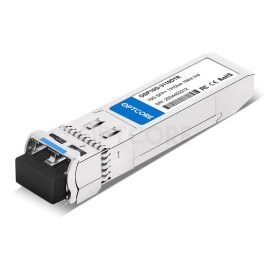 Generic SFP-10G-LR-I Compatible 10GBASE-LR SFP+ 1310nm 10km Industrial TransceiverUS$ 15.00 (Excl. VAT)
 -
 Optcore 10GBASE-SR SFP+ 850nm 300m Industrial Transceiver, Generic SFP-10G-SR-I CompatibleUS$ 12.00 (Excl. VAT)
How to pick an optical transceiver’s ideal operating temperature?
Generally speaking, optical transceivers and communication devices generate heat when they are in operation. If you choose the suitable temperature class for your optical transceiver, you will rarely encounter low operating temperatures. In actual use, it is common for the operating temperature of optical transceivers to be too high.
When the temperature of the optical transceiver exceeds the normal range, the corresponding port’s indicator becomes red. At this point, replace the optical transceiver and check the port light alert status after a few minutes. If the port red light has gone out, the optical transceiver has been restored to regular operation.
Remember to consider the user’s working environment when choosing an optical transceiver. To avoid a variety of issues, it is critical to use an industrial-grade optical transceiver. A standard commercial grade transceiver is the best option for most commercial settings.
Small Tips: Generally, industrial temperature optical transceivers can replace the corresponding commercial temperature transceivers, but not vice versa.
It is essential for keeping a consistent and steady optical transceiver temperature! Customers must use caution when purchasing substandard or old optical transceivers. Defective recycled materials and poor built-in design will result in poor heat dissipation and frequent temperature anomalies in optical transceivers.
To reduce the development of optical transceiver temperature anomalies while purchasing optical transceivers, be clear about the use of scenarios and select the corresponding optical transceiver temperature level. In addition to attempting to avoid excessive losses, it is preferable to choose a reliable provider to safeguard the quality and performance of optical transceivers.
Conclusion
OPTCORE has developed various types of optical modules for different usage scenarios, including commercial and industrial optical transceivers. Each optical transceiver is well tested in the factory for temperature and function to ensure high quality and performance. You can purchase our optical transceivers with confidence. If you have any questions about this post or any of our products, please feel free to contact us. Our team of experts will be more than happy to answer any questions you may have.
Read more:
- Optcore Industrial SFP Transceiver Solution
- How to choose an industrial Ethernet switch?
- What is industrial fiber optic transceiver
- 16 Tips to Troubleshoot Your Optical Transceiver Issues
