


 Optical Transceiver
 DAC/AOC Cable
 Fiber Cabling
 Networking
Blog, Networking Device
What is Port Triggering? The Simple Guide

Jun
Port Triggering is a method of dynamically opening ports, in which certain ports can be automatically opened and closed based on network traffic patterns. Today’s network infrastructure typically involves deploying systems behind NAT. Private IP addresses are assigned to devices behind a NAT, which then communicate using a public IP address to connect to the internet. NAT provides additional security for networks and helps prevent IPv4 address depletion.
This causes very few problems when using a normal browser or sending emails over the internet. However, when using VoIP calls or other applications that require remote collaboration, peer-to-peer networking, or specialized business software. It can be tricky to strike the right balance between access and security. Thus, this article will look at the benefits of Port Triggering and how it differs from Port Forwarding and NAT.
Table of contents
Why Port Triggering Was Created
To understand Port Triggering, it is important to first understand the problems that exist in a NAT environment. A normal network setup ensures that any attempt by an internal host to access the internet is monitored by the router as it establishes and builds the session table. For instance, when an internal host in the 192.168.1.10 range tries to access a web server externally, the router will establish the session and record the details in its NAT table. This will enable it to route any information coming from the server back. It is therefore very unlikely for an attempt to establish a connection to an internal host by an external host to succeed. This makes some applications, such as video conferencing software and remote control programs, difficult to use.
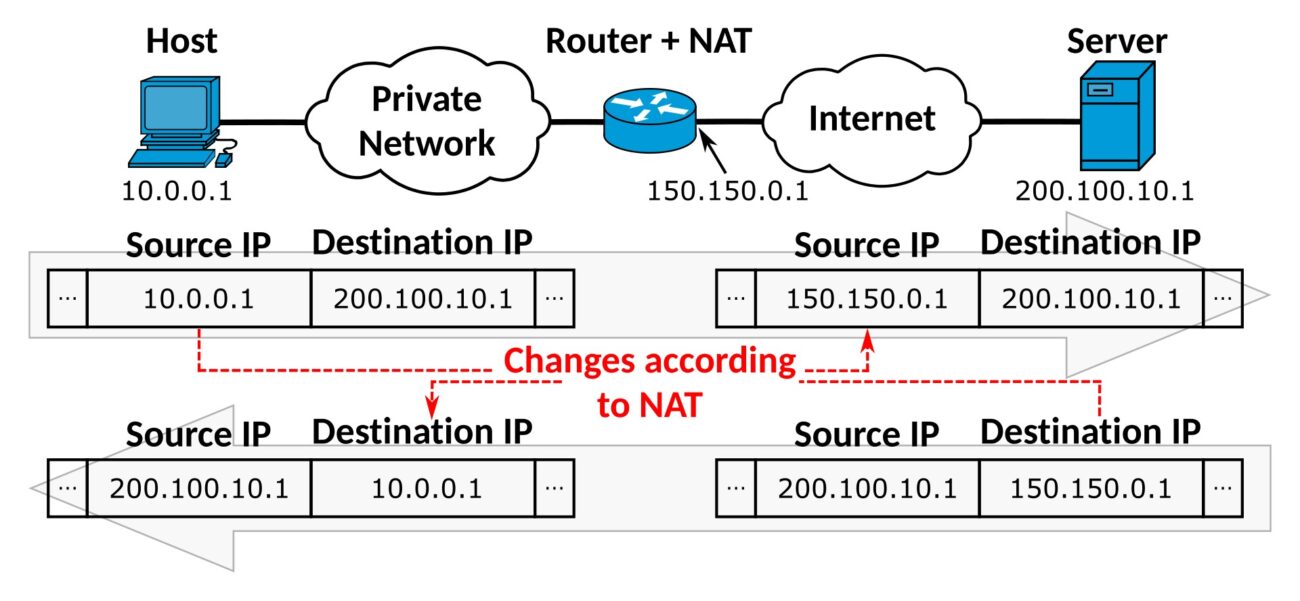
The earliest solution was Port Forwarding. Administrators manually map a public port to an internal device. For example, TCP port 3389 can be forwarded to 192.168.1.100 for Remote Desktop access. This method seems simple and effective. However, if multiple devices on the network need to use the same service, Port Forwarding cannot satisfy all of them at the same time. In addition, keeping ports open permanently introduces additional security risks.
As a result, Port Triggering was developed to provide more flexible access control. It allows the router to dynamically open ports based on outbound communication initiated by internal devices and to automatically close them when the communication ends.
What Is Port Triggering
Port Triggering is a dynamic port mapping technology based on trigger conditions. Take online gaming as an example. A computer sends a request to a game server, and the router detects that traffic has been sent through a specific port. This outbound traffic triggers a predefined rule that temporarily opens another port for incoming response traffic. After the communication session ends, the temporary port closes automatically. The return port does not need to remain permanently open. The entire process is triggered by network traffic.
This process is actually built on top of NAT Session Tracking. Normally, when an internal device accesses the Internet, the router records information such as the source IP address, source port, destination IP address, and destination port, and then creates a temporary NAT mapping. Port Triggering adds an extra layer of rule processing on top of this mechanism. When the router detects traffic sent to a predefined Trigger Port, it assumes that the related application has started and automatically creates additional temporary port opening rules.
How to Make a Configuration on Your Router
Port Triggering is typically set up on the router itself. The user interface varies by router vendor, although there are some similarities in the procedure. Detailed setup instructions should be obtained from the manual for the specific router. Typically, when logged in to the router’s management interface, Port Triggering is located under advanced settings. It may also be under NAT, Firewall, and even the Applications & Games menu for some vendors. Once that is done, create a new Port Triggering rule. Information such as the application name, number, protocol, inbound port range, and inbound protocol will be required from the end user.
The following process includes the testing of the application. While some routers support TCP triggering only, others support both TCP and UDP. If your application can successfully establish communication and get traffic back, then it works fine.
In addition, Port Triggering is only one part of a complete network access control system. During deployment, administrators should also consider firewall policies, ACL rules, and the impact of upstream network devices.
Advantages of Port Triggering
- It is not necessary to keep the ports open all the time. Since opening them on trigger provides protection against vulnerabilities over time.
- The router dynamically assigns ports to the computer that triggered the rule. Two or more computers can use the same rule, unlike port forwarding, which requires binding the rule to an IP address. Hence, Port Triggering is considered to be much better than port forwarding in many respects.
- The vast majority of consumer-grade and small-business routers natively support Dynamic NAT Port Control.
Limitations of Port Triggering
- Port Triggering can only operate after the application has established an outgoing connection. It is not ideal for applications that require an incoming connection at all times.
- The ports are not left permanently open; thus, troubleshooting can sometimes become difficult.
- In large corporate settings that practice strict security policies, port forwarding is usually preferred to dynamic approaches.
Port Triggering vs Port Forwarding vs NAT
| NAT | Port Forwarding | Port Triggering | |
|---|---|---|---|
| Primary Function | Address Translation | Static Port Opening | Dynamic Port Opening |
| How It Works | Network Edge Translation | NAT Extension | NAT Extension |
| Permanently Open Port | No | Yes | No |
| Automatically Closes | Not Applicable | No | Yes |
| Security Level | High | Lower | Higher |
| Supports Multiple Devices | Yes | Limited | Better Support |
| Configuration Complexity | Low | Medium | Medium |
| Typical Applications | Everyday Internet Access | Web Servers | Online Gaming, VoIP |
All three technologies operate in conjunction with one another during network configuration. NAT performs address translations between public and private networks, while Port Forwarding and Port Triggering are just two ways to provide external access over NAT. Port Forwarding is concerned with static mapping, whereas Port Triggering is concerned with dynamic mapping.
Common Applications of Port Triggering
A frequent use case of port triggering is online games. Some popular online games have their own client-to-server connection to establish a control session, whereas game traffic uses other dynamic ports.
Another example of an application that uses port triggering is VoIP communication and video conferencing systems. In the case of SIP, the initial call setup would occur over a port used by the protocol, called the SIP signaling port, and actual audio/video traffic would flow over other ports, such as RTP ports.
Dynamic NAT Port Control can also provide value in P2P file-sharing networks. Many P2P applications need to both initiate connections to other peers and accept incoming connection requests. It may enhance data transmission performance by increasing both discovery speed and connection efficiency through the dynamic opening of ports.
Furthermore, some remote monitoring, manufacturing control systems, and enterprise collaboration tools use Port Triggering to enable two-way communication. This is common in manufacturing, energy, and governmental sectors. Due to the long-life cycle of such systems, their architecture is traditionally based on conventional network design concepts. If you want to upgrade your network using optical transceivers on a switch or router, OPTCORE is always pleased to offer the best service for your data center construction.
-
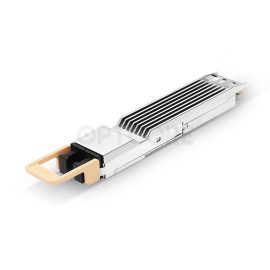
Generic OSFP-800G-DR8 Compatible 800G 2xDR4/DR8 OSFP Finned Top 1310nm 500m Dual MPO-12/APC Transceiver
US$ 899.00 (Excl. VAT) -

Generic Compatible 100G QSFP28 SR4 850nm 100m Transceiver
US$ 29.90 (Excl. VAT) -

Generic Compatible 100G QSFP28 LR4 10km Transceiver
US$ 169.00 (Excl. VAT) -
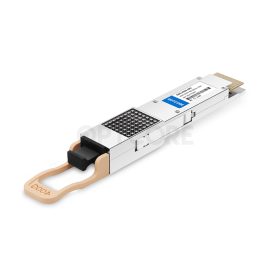
Generic Compatible 400G DR4 QSFP-DD 1310nm 500m MTP/MPO-12 Transceiver
US$ 429.00 (Excl. VAT)
FAQ
#1 Is Port Triggering safer than Port Forwarding?
Usually yes. Port Triggering opens ports only when needed, while Port Forwarding keeps ports open continuously.
#2 Does Port Triggering require a static IP address?
No. It works based on traffic patterns rather than a fixed IP address.
#3 Can multiple devices use the same Port Triggering rule?
Yes. Multiple devices can share the same rule, but most routers can maintain the mapping for only one active session at a time.
Conclusion
Even though Port Triggering is not as common as it used to be, this topic remains extremely important to study. Especially when we want to understand network access control principles, NAT operation, and other application-related issues. Acquaintance with Port Triggering fundamentals will allow us to better understand how technologies such as STUN, TURN, and ICE are used in applications today.
Read more
- InfiniBand vs. RoCE: Understanding the Differences For Artificial Intelligence Data Center
- MDF vs IDF: What Are the Differences?
- What is Virtual LAN (VLAN)? A Complete Guide
